

~ / guides
The guides
Slower than the wire and written to be followed at the bench. A tour of the product, the habit of using it, then the install that keeps it running.
9 guidesevergreenrevised in placeofficial figures only
summarylive
current guide · 10 Nov
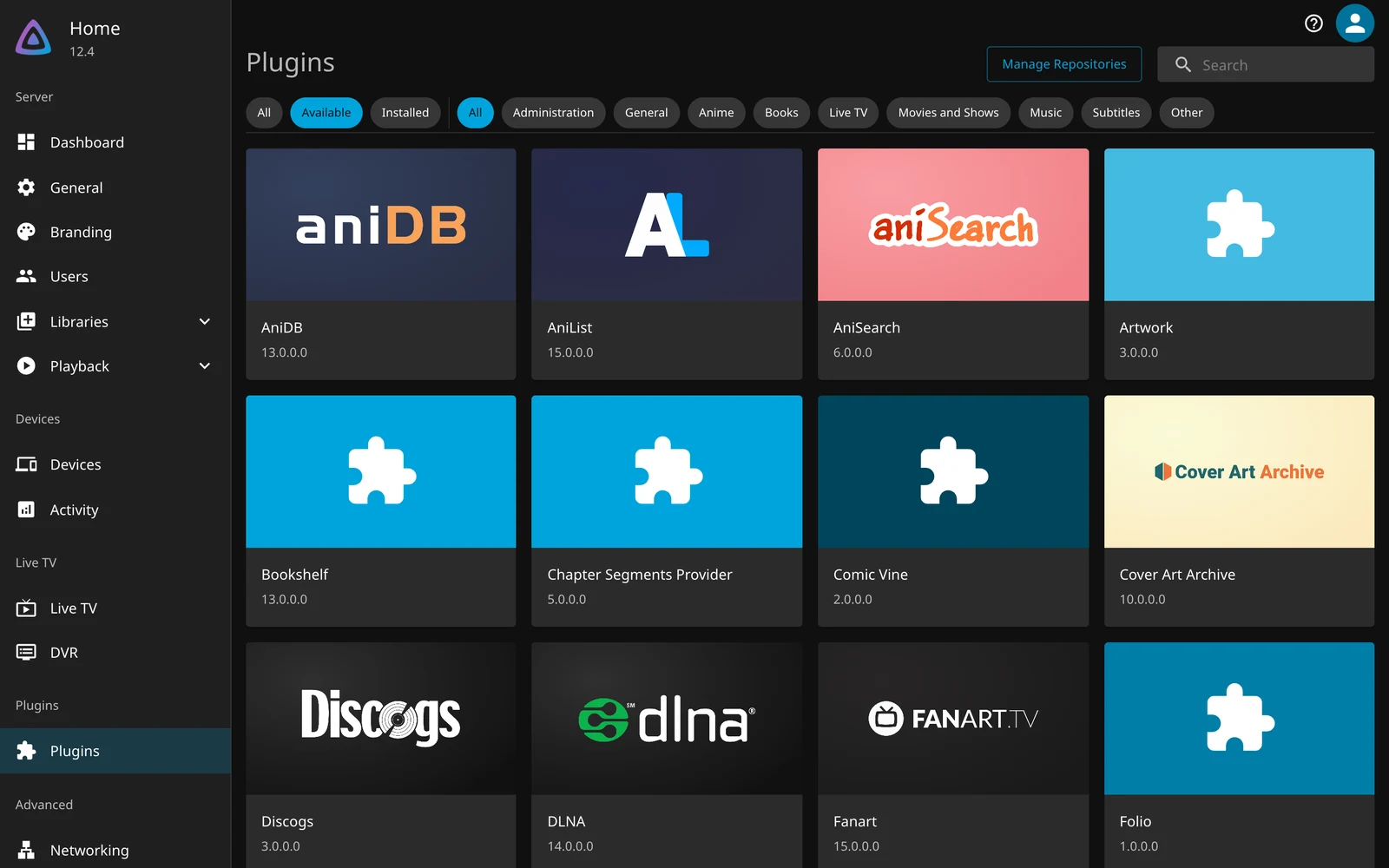
The finishing pass: plugins, metadata and subtitles
The scan gets a library working. What makes it feel owned is the poster, the match, and knowing which two plugins are worth the restart.
on the shelf9
guideJellyfin in an evening10 NovWhat Jellyfin does that a streaming subscription does not, how a household actually uses it, and the install that gets a library playing tonight. The first part of a series.
guideImmich is worth the evening8 NovWhat Immich does that the cloud does not, how you use it once it is running, and the install that keeps it running. One evening of setup, then a photo library you own.
guideImmich, PhotoPrism or Ente: which photo library to run7 NovImmich is the pick for most self-hosters. It is the only one of the three with official mobile apps, it searches on the server, it speaks OIDC and its backup covers the database, at a documented 6 GB minimum and an x86-64-v2 requirement that stops older hardware cold. PhotoPrism is the smaller install at 3 GB, with a PWA instead of an app. Ente is the only one where the server never holds a plaintext photo, which is why self-hosting it means building your own apps.
guideReadeck saves the page, not the link7 NovReadeck stores the readable content of a web page rather than a bookmark pointing at it, which is the whole pitch and the reason to run it. It ships as one executable, runs happily on 512 MB and a forgotten Raspberry Pi 2, and installs from a single docker run or a short compose file with one volume holding database and bookmarks. This profile covers the documented install path, the settings that matter behind a proxy, the export and import commands, and the limits the documentation states.
guideThe restore runbook: bring a service back in the right order31 OctAfter a host dies, the order of the recovery decides whether it works. The secrets come first, then the data and the database dump, DNS last, and one check that proves the service is actually back.
guideBackups that restore, not just backups that run19 OctA backup job that exits zero is a copy job until you restore something from it. The checks worth scheduling, the drill that finds the real failures, and the recovery kit people forget.
guideA Guix image that uploads straight to Linode, with the whole recipe in the open27 SepThe Guix cookbook starts from Linode's Debian image and converts it. David Thompson wrote down the other route: a disk image you build with guix system image, strip down to just the root partition, gzip, upload, and flip two boot-profile switches. The full OS config and packing script are in the post.
guideSelf-hosting behind carrier NAT, with a VPS as the bridge22 SepA machine behind carrier-grade NAT reached through a cheap VPS and a WireGuard tunnel, with the home side initiating, the routing split so replies go down the tunnel, and the measured cost in latency.
how a guide is maderules
Primary sources only: the release notes, the repository, the documented install path.
The install appears on the page as it is documented — command, compose file, data path.
What the product does comes before how to install it. Configuration alone is half a guide.
Corrected at the top of the piece when something changes; revised in place, never reissued.
start herefour routes